Brain aneurysms
Medically reviewed by Kurt Yaeger, MD, endovascular neurosurgeon · Updated September 2026
Key points
About 3 in 100 adults have a brain aneurysm, and most never rupture. Finding one is usually not an emergency.
Many small, stable aneurysms can be safely watched with a scan every year or two. Others are best treated before they cause trouble.
Most can be treated through a thin catheter at the wrist or groin, with no incision in the skull. Most patients go home the next day.
What is a brain aneurysm?
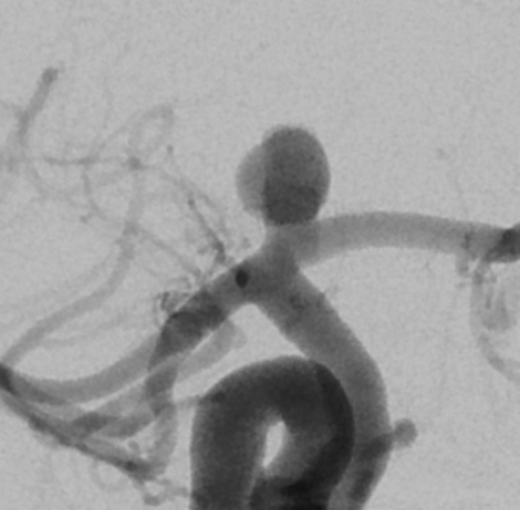
A brain aneurysm is a weak spot in the wall of an artery that bulges outward, a bit like a bubble on a worn tire. They are more common than most people realize: roughly 3 in 100 adults have one. Most are found by accident, on a scan done for something else like headaches or a fall.
Here is the reassuring part: the large majority of aneurysms never rupture. Finding one is usually not an emergency. It is the start of a conversation about your specific risk.
Does mine need treatment?
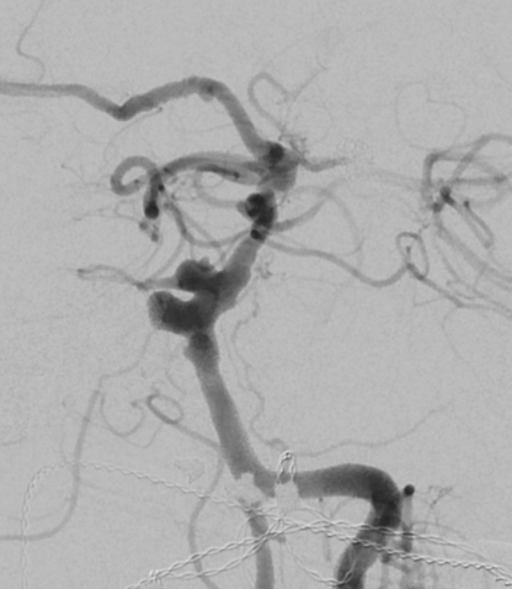
That depends on a handful of things: the aneurysm's size, shape and location, whether it is growing, your age, your blood pressure, whether you smoke, and your family history. Many small, stable aneurysms are safest to simply watch with a scan every year or two. Others are better treated before they ever cause trouble.
I will walk you through the numbers for your aneurysm, and what each option means for you, including doing nothing. The decision is yours; my job is to make sure you have what you need to make it.
How are aneurysms treated?
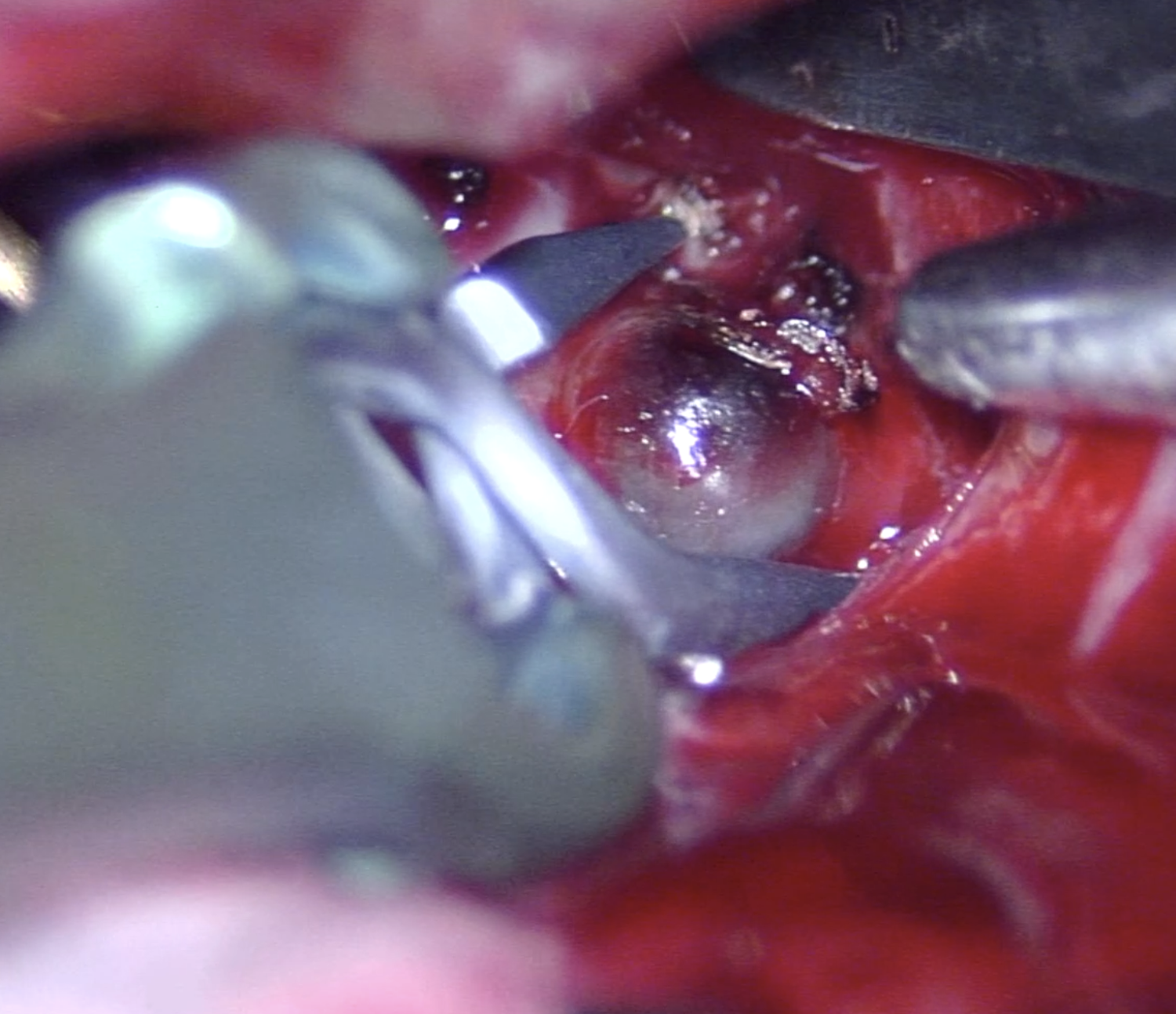
Most aneurysms today can be treated from the inside, through a thin catheter placed in an artery at the wrist or groin, with no incision in the skull. Depending on the aneurysm, that may mean filling it with soft platinum coils, placing a flow-diverting stent that reroutes blood past it, or sealing it with a small mesh device. Most patients go home the next day. For some aneurysms, open surgical clipping is still the best choice, and I will tell you if yours is one of them.