Hydrocephalus
Medically reviewed by Kurt Yaeger, MD, endovascular neurosurgeon · Updated September 2026
Key points
Hydrocephalus is a buildup of fluid in the brain's fluid spaces (ventricles). In older adults, normal pressure hydrocephalus (NPH) is treatable but often mistaken for aging, Parkinson's disease, or dementia.
The classic signs of NPH are a shuffling, unsteady walk, trouble with bladder control, and changes in memory. A temporary spinal drain can help predict who will improve with treatment.
Treatment is usually a shunt that drains extra fluid to the abdomen. Some patients can instead have an endoscopic third ventriculostomy.
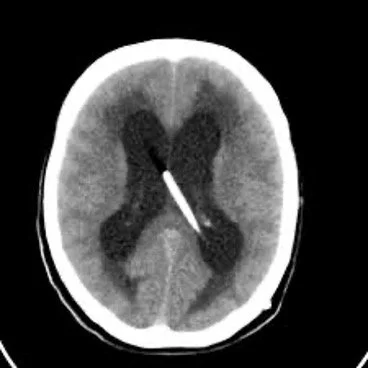
What is hydrocephalus?
Hydrocephalus means too much fluid has built up in the brain's fluid spaces, called the ventricles. It can happen after a brain bleed, an infection, or a tumor, or it can develop slowly on its own in older adults, a form called normal pressure hydrocephalus (NPH).
NPH is worth knowing about because it is treatable and often mistaken for normal aging, Parkinson's disease, or dementia. The classic signs are a shuffling, unsteady walk, trouble with bladder control, and changes in memory or thinking.
Diagnosis
Diagnosis starts with a brain MRI or CT. For suspected NPH, a temporary spinal drain or a large-volume spinal tap can show whether removing fluid improves walking, which helps predict who is likely to benefit from treatment.
How is it treated?
The most common treatment is a shunt, a thin tube that drains extra fluid from the brain to the abdomen, where the body absorbs it. In some patients, a procedure called endoscopic third ventriculostomy creates a new drainage path without a shunt. Newer minimally invasive approaches are also being studied. I will help you weigh whether treatment is likely to help, and what recovery looks like.