Subdural hematoma
Medically reviewed by Kurt Yaeger, MD, endovascular neurosurgeon · Updated September 2026
Key points
A chronic subdural hematoma is blood that collects slowly between the brain and its outer covering, most often in older adults and people taking blood thinners.
Small ones that are not causing symptoms can often be watched with repeat scans. Larger ones, or those causing symptoms, usually need treatment.
MMA embolization, done through a thin catheter at the wrist or groin, lowers the chance of the hematoma coming back, and for some patients it can be used without surgery.
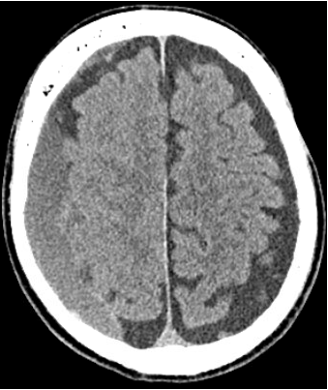
What is a subdural hematoma?
A subdural hematoma is a collection of blood between the brain and its outer covering. An acute subdural follows a significant head injury and is usually an emergency. A chronic subdural is different: it builds up slowly over weeks, most often in older adults, sometimes after a minor bump to the head that is not even remembered. It is more common in people taking blood thinners.
Symptoms can be subtle: headaches, confusion, trouble walking, weakness on one side, or simply not seeming like themselves. Because they come on gradually, they are often mistaken for aging or a small stroke.
Does it need treatment?
Small chronic subdurals that are not causing symptoms can often be watched with repeat scans, especially once blood thinners can be safely paused. Larger ones, or those causing symptoms, usually need treatment.
The traditional approach is surgery to drain the blood through small holes in the skull. It works well, but occasionally the blood comes back and another operation is needed. I will walk you through the options for your situation, including watching and waiting.
A newer option: MMA embolization
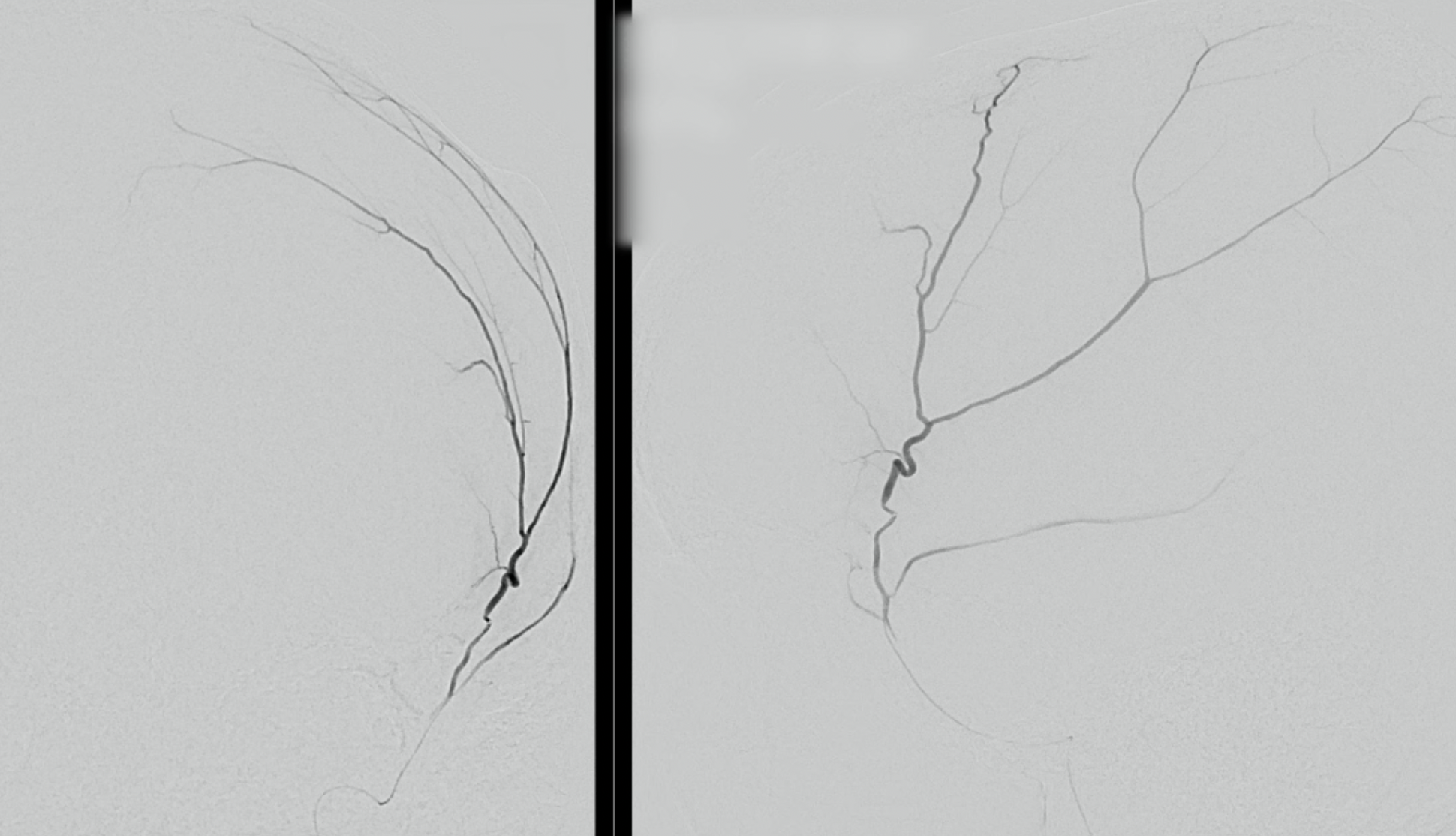
Chronic subdurals are fed by fragile new blood vessels that grow from an artery in the lining of the brain, called the middle meningeal artery (MMA). Through a thin catheter placed at the wrist or groin, this artery can be closed off from the inside, cutting off the supply that keeps the hematoma coming back.
Recent large randomized trials showed that adding MMA embolization to standard care substantially lowers the chance of the hematoma returning or needing another operation. For some patients it can be used on its own, without surgery at all.