Spinal CSF leaks
Medically reviewed by Kurt Yaeger, MD, endovascular neurosurgeon · Updated September 2026
Key points
The classic sign of a spinal CSF leak is a headache that gets worse when you sit or stand and better when you lie down. It is often mistaken for migraine.
Finding the leak usually takes an MRI of the brain and spine, followed by specialized myelography to pinpoint the exact site.
Treatment depends on the cause: a blood patch, closing a CSF-venous fistula through a thin catheter, or surgical repair.
What is a CSF leak?
Cerebrospinal fluid (CSF) cushions the brain and spinal cord. When it leaks out through a small tear in the lining around the spine, or through an abnormal connection between that lining and a nearby vein (called a CSF-venous fistula), the fluid pressure drops and the brain can sag.
The classic symptom is a headache that gets worse when you sit or stand up and better when you lie down. Many people also have neck pain, ringing in the ears, muffled hearing, or brain fog. It is often mistaken for migraine for months or even years.
Finding the leak
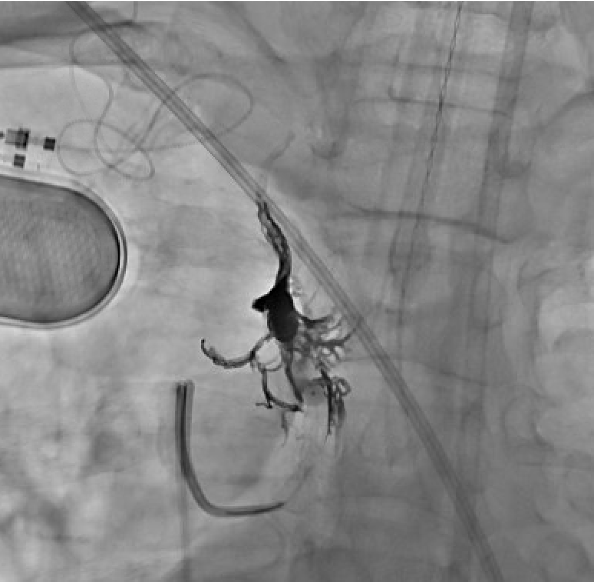
Leaks can be hard to find. The work-up usually starts with an MRI of the brain and spine, followed by specialized myelography, in which contrast dye is placed around the spinal cord and imaged as it moves, to pinpoint the exact site of the leak or fistula.
How is it treated?
Many leaks close with a blood patch, where a small amount of your own blood is injected near the leak to seal it. CSF-venous fistulas can now often be treated through a catheter, by closing off the abnormal vein from the inside. Some leaks need surgical repair. Treating the right spot is what matters most, so an accurate diagnosis comes first.