Stroke
Medically reviewed by Kurt Yaeger, MD, endovascular neurosurgeon · Updated September 2026
Key points
Sudden weakness or numbness on one side, a drooping face, trouble speaking, or loss of vision can mean a stroke. Call 911 right away.
For strokes caused by a large clot, thrombectomy removes the clot through a thin catheter, and it can help some patients many hours after symptoms start.
Preventing the next stroke means finding and treating the cause, such as a narrowed artery or an irregular heart rhythm.
What is a stroke?
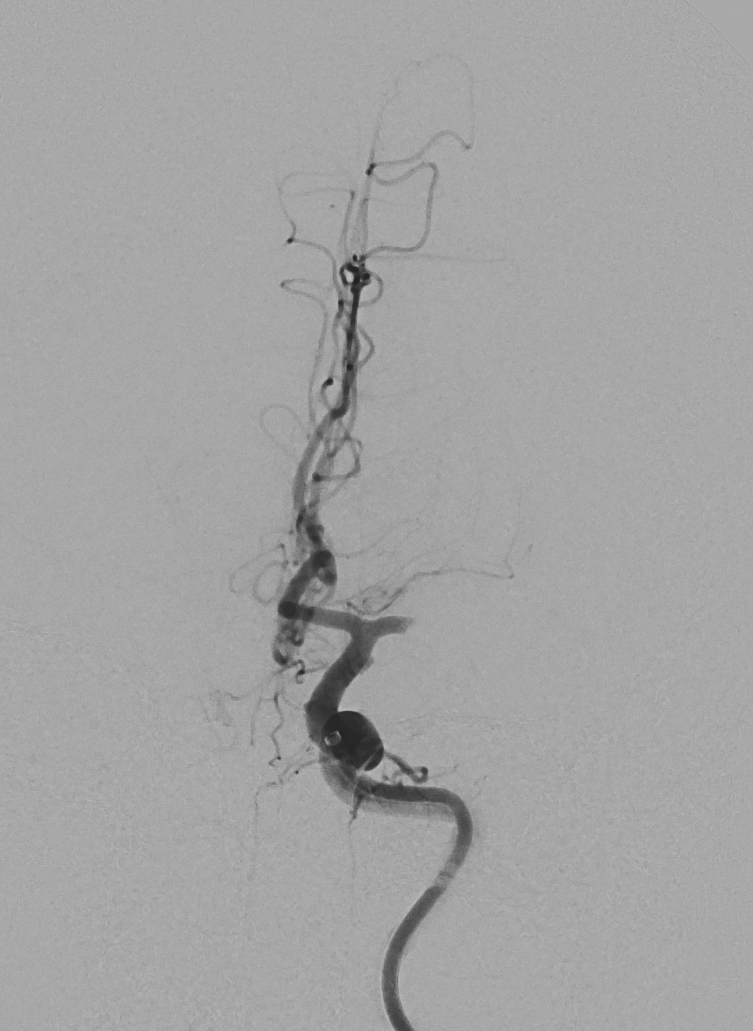
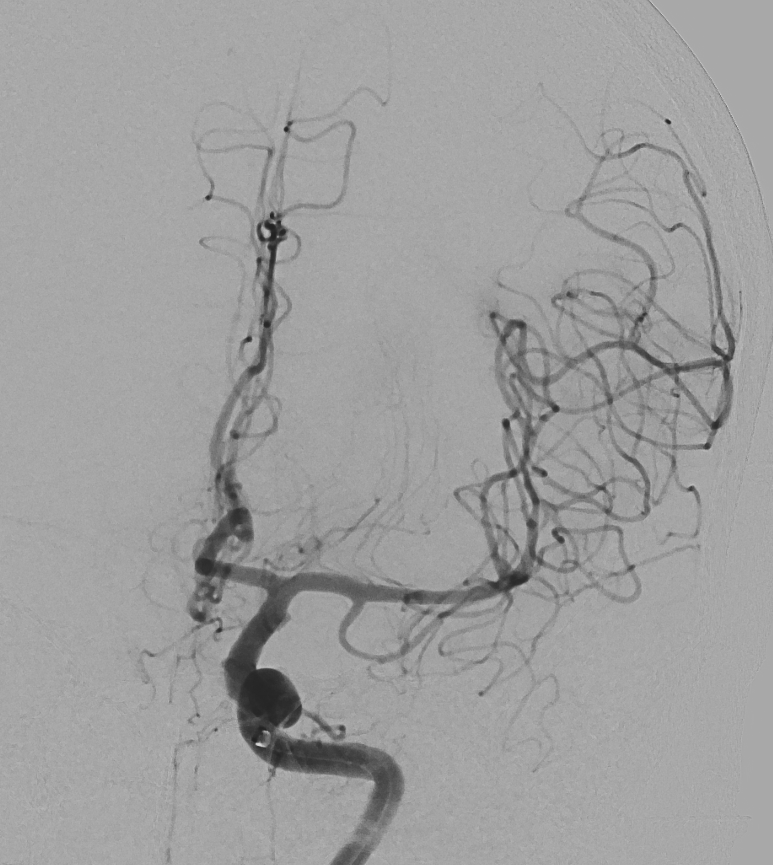
Most strokes happen when a blood clot blocks an artery in the brain. Brain cells begin to die within minutes, which is why every minute counts. Warning signs include sudden weakness or numbness on one side of the body, a drooping face, trouble speaking, loss of vision, or a sudden loss of balance.
If you or someone near you has these symptoms, call 911 right away. Do not drive to the hospital, and do not wait to see if it passes.
How are strokes treated?
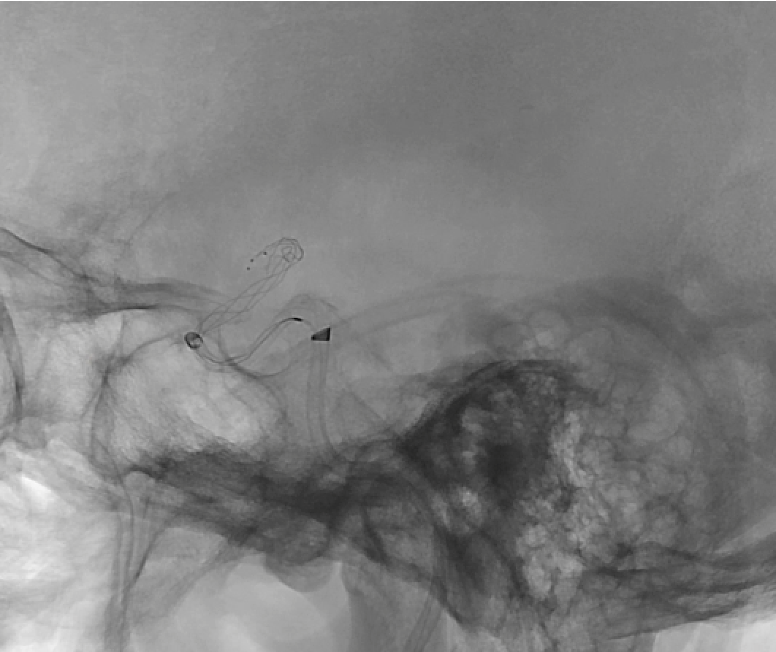
For strokes caused by a large clot, the most powerful treatment is thrombectomy: a thin catheter is guided from the groin or wrist up into the brain, and the clot is pulled out. Done quickly, it can turn a devastating stroke into one that people walk away from. Clot-dissolving medication given through an IV is often used as well.
Thrombectomy can now help some patients many hours after symptoms start, so it is worth being evaluated at a comprehensive stroke center even if time has passed.
After a stroke
Preventing the next stroke matters as much as treating the first. That means finding the cause, such as a narrowed artery in the neck or brain or an irregular heart rhythm, and treating it. Some patients benefit from a stent or surgery to open a narrowed artery.